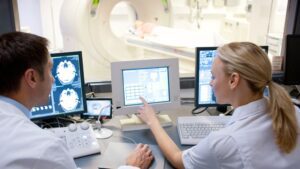
Healthcare is becoming more advanced every year. Electronic health records, artificial intelligence, remote monitoring, and digital diagnostics are reshaping how care is delivered. Yet as technology grows more complex, one thing remains constant: the importance of human connection.
In high-tech healthcare environments, soft skills are not optional. They are essential.
Technology Cannot Replace Empathy
Modern healthcare tools can detect patterns, generate data, and improve efficiency. What they cannot do is provide reassurance during uncertainty or respond to emotion with compassion.
Nurses and allied health professionals rely on empathy to build trust, ease anxiety, and strengthen patient relationships. These human interactions remain central to quality care.
Communication Drives Patient Safety
Clear communication is one of the most valuable soft skills in healthcare. Even with advanced systems in place, misunderstandings can occur if instructions, findings, or updates are not explained clearly.
Strong communication ensures that teams collaborate effectively and patients understand their care plans.
Emotional Intelligence Reduces Conflict
Healthcare environments are fast-paced and often stressful. Emotional intelligence allows professionals to manage their own reactions while recognizing the emotions of others.
This skill supports teamwork, prevents escalation, and improves overall workplace culture.
Adaptability in a Rapidly Changing Field
New technology requires continuous learning and adjustment. Adaptability, patience, and problem-solving are soft skills that help healthcare professionals navigate change without becoming overwhelmed.
These traits support resilience and long-term career sustainability.
Balancing Efficiency With Presence
High-tech systems can increase efficiency, but they can also create distance between providers and patients. Soft skills help maintain meaningful interaction even when documentation and devices demand attention.
Being present, listening actively, and maintaining eye contact are small behaviors with lasting impact.
Leadership Beyond Titles
Soft skills also influence leadership. Nurses and allied health professionals who demonstrate strong communication, collaboration, and emotional awareness often guide teams naturally, even without formal titles.
These qualities strengthen trust and team performance.
As healthcare technology advances, the human side of care becomes even more valuable. Soft skills bridge the gap between innovation and compassion, ensuring that patients feel supported, understood, and respected.
In high-tech healthcare, technical ability and human connection must work together.
At XPRT Staffing, we recognize that strong healthcare professionals bring more than technical expertise. We connect nurses and allied health professionals with environments that value communication, teamwork, and compassionate care.
If you’re seeking opportunities where your full skill set is appreciated, XPRT Staffing is here to support your next move.