Allied health professionals have long been essential inside hospitals, supporting diagnostics, therapy, and patient recovery. Today, their roles are expanding far beyond traditional inpatient settings. As healthcare delivery evolves, allied health careers are becoming more diverse, flexible, and widely integrated into community-based care.
This shift is reshaping how and where allied health professionals work.
Growth in Outpatient and Ambulatory Care
Outpatient clinics and ambulatory centers are seeing increased demand for diagnostic and therapeutic services. Radiologic technologists, medical laboratory professionals, and therapists now play larger roles in non-hospital environments.
Patients are receiving more care in these settings, creating steady opportunities outside traditional hospital units.
Expansion Into Community Health
Community-based healthcare programs are growing, particularly in preventive care and chronic disease management. Allied health professionals contribute through screenings, rehabilitation services, respiratory care, and patient education.
These roles support early intervention and long-term health maintenance closer to home.
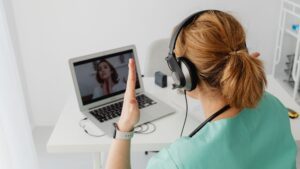
Integration With Telehealth Services
Remote monitoring and virtual care models are expanding. Some allied health professionals now assist with telehealth assessments, remote diagnostics, and digital consultations.
Technology allows services to reach patients in rural or underserved areas without requiring hospitalization.
Increased Role in Rehabilitation and Home Health
As healthcare systems emphasize recovery outside the hospital, allied health roles in rehabilitation and home health are expanding. Physical therapists, occupational therapists, and respiratory therapists often work directly in patients’ homes.
This setting allows more personalized care and ongoing progress monitoring.
Collaboration With Interdisciplinary Teams
Allied health professionals are increasingly integrated into interdisciplinary care teams across various settings. From urgent care clinics to specialty centers, their expertise supports faster diagnosis and coordinated treatment.
This collaboration improves efficiency and patient outcomes beyond hospital walls.
Career Flexibility and Broader Opportunities
With expanded settings comes greater career flexibility. Allied health professionals can choose roles that align with lifestyle preferences, specialty interests, and long-term goals.
The growing diversity of practice environments makes allied health careers more adaptable than ever.
Allied health roles are no longer confined to hospital corridors. As healthcare shifts toward community-based, technology-driven, and preventive models, allied health professionals are positioned at the center of that transformation.
This expansion creates meaningful opportunities for growth, stability, and impact.
At XPRT Staffing, we connect allied health professionals with opportunities across a variety of healthcare settings, from hospitals to outpatient and community-based roles. We understand how the field is evolving and help you find positions that reflect that growth.
Explore allied health opportunities nationwide with XPRT Staffing.